

 Soybeans (NO GMO)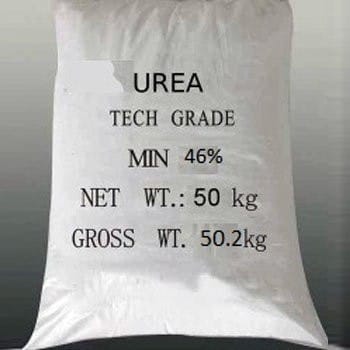
- CNY: ¥7,998.12
- EUR: € 1,069.32
- KES: KES155,772.00
- NGN: ₦1,595,316.06
- TZS: TSh3,154,800.00
- GBP: £895.96
- GHS: ₵13,848.00
- AED: د.إ4,407.48
- XOF: CFA701,100.00
- XAF: CFA701,100.00
- UGX: UGX5,069,159.77
- CNY: ¥366.58
- EUR: € 49.01
- KES: KES7,139.55
- NGN: ₦73,118.65
- TZS: TSh144,595.00
- GBP: £41.06
- GHS: ₵634.70
- AED: د.إ202.01
- XOF: CFA32,133.75
- XAF: CFA32,133.75
- UGX: UGX232,336.49
Go Africa® Fertilizer Urea N 46% (prilled) 50kg bags
$16.00
- CNY: ¥106.64
- EUR: € 14.26
- KES: KES2,076.96
- NGN: ₦21,270.88
- TZS: TSh42,064.00
- GBP: £11.95
- GHS: ₵184.64
- AED: د.إ58.77
- XOF: CFA9,348.00
- XAF: CFA9,348.00
- UGX: UGX67,588.80
Sold per MT
Call or email for packaging options and detailed pricing
email: Quotes@goafricatrading.com
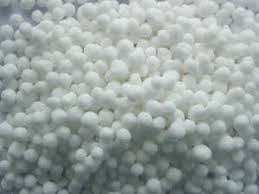
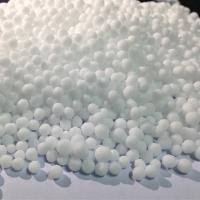
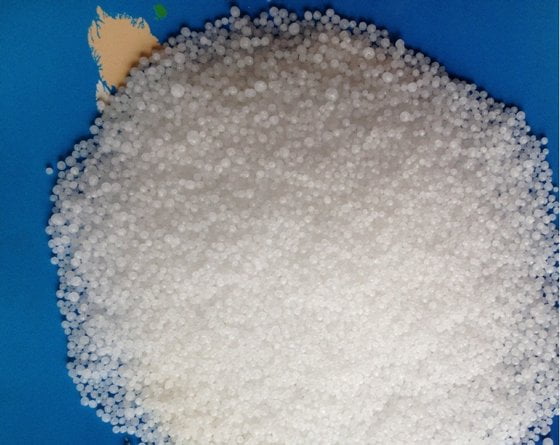
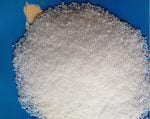
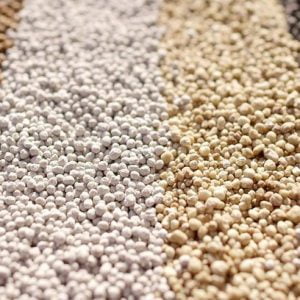
Nitrogenous fertilizer, readily soluble in water, alcohols and liquid ammonia. It takes the form of white prilled, grain class 1-3.15 mm, with at least 90% of the prills covered with anti-caking agents. Prilled urea 46% is hygroscopic. Bulk density: 0.70-0.78 kg/dm3.
Prilled urea 46% includes 46% of nitrogen (N) in ureic form, easily absorbed by the leaves of plants. Absorption through the root system is slower, because urea in soil is converted (as a result of enzymatic hydrolysis) into the ammonia form available for plants, and then into nitrate form.
Sold per MT
Call or email for packaging options and detailed pricing
email: Quotes@goafricatrading.com
Nitrogenous fertilizer, readily soluble in water, alcohols and liquid ammonia. It takes the form of white prilled, grain class 1-3.15 mm, with at least 90% of the prills covered with anti-caking agents. Prilled urea 46% is hygroscopic. Bulk density: 0.70-0.78 kg/dm3.
Prilled urea 46% includes 46% of nitrogen (N) in ureic form, easily absorbed by the leaves of plants. Absorption through the root system is slower, because urea in soil is converted (as a result of enzymatic hydrolysis) into the ammonia form available for plants, and then into nitrate form.
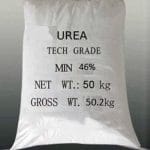
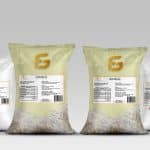
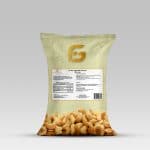
- 50 kg ± 0,5 polyethylene valve bags,
- other packaging and other sizes that ensure the safety of the fertilizer in storage, transport and use and enclosed in such a manner or by means of such device that the opening causes irreversible damage to the closing seal or the packaging itself.
In case of a product sent for export, the type and size of the package are agreed with the recipient.
Prilled urea 46% packed and in bulk, due to hygroscopicity, should be stored in clean and dry storage buildings on a substrate insulating from moisture. Fertilizer should be protected against water, atmospheric precipitation and direct sunlight.
Fertilizer in packs of 50 kg should be laid horizontally in layers on the substrate insulating from moisture up to a height of 10 layers.
Fertilizer in big-bag packs of 500 kg should be laid vertically in layers on the substrate isolating from moisture in a maximum of 3 layers.
Fertilizers in bulk should be stored by sprinkling them into piles, cones in a way that prevents mixing of individual types of fertilizers. Between the stacks of unit packages, heaps or cones, free spaces should be left to allow transport by means of transport.
| Weight | 50 kg |
|---|---|
Only logged in customers who have purchased this product may leave a review.
Related products


Fertilizer DAP 100, 50kg bags (Kenya)
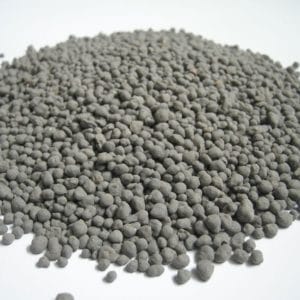
Diammonium phosphate (DAP) is the world's most widely used phosphorus fertilizer. It's made from two common constituents in the fertilizer industry, and its relatively high nutrient content and excellent physical properties make it a popular choice in farming and other industries.
Suggested Usage:
DAP is used as a When applied as plant food, it temporarily increases the soil pH, but over a long term the treated ground becomes more acidic than before upon nitrification of the ammonium. It is incompatible with alkaline chemicals because its ammonium ion is more likely to convert to ammonia in a high-pH environment. The average pH in solution is 7.5–8. the typical formulation is 18-46-0 (18% N, 46% P2O5, 0% K2O).
Fertilizer DAP 200, 50kg bags (Kenya)
Diammonium phosphate (DAP) is the world's most widely used phosphorus fertilizer. It's made from two common constituents in the fertilizer industry, and its relatively high nutrient content and excellent physical properties make it a popular choice in farming and other industries.
Suggested Usage:
DAP is used as a When applied as plant food, it temporarily increases the soil pH, but over a long term the treated ground becomes more acidic than before upon nitrification of the ammonium. It is incompatible with alkaline chemicals because its ammonium ion is more likely to convert to ammonia in a high-pH environment. The average pH in solution is 7.5–8. the typical formulation is 18-46-0 (18% N, 46% P2O5, 0% K2O).
Fertilizer DAP 50, 50kg bags (Kenya)
Diammonium phosphate (DAP) is the world's most widely used phosphorus fertilizer. It's made from two common constituents in the fertilizer industry, and its relatively high nutrient content and excellent physical properties make it a popular choice in farming and other industries.
Suggested Usage:
DAP is used as a When applied as plant food, it temporarily increases the soil pH, but over a long term the treated ground becomes more acidic than before upon nitrification of the ammonium. It is incompatible with alkaline chemicals because its ammonium ion is more likely to convert to ammonia in a high-pH environment. The average pH in solution is 7.5–8. the typical formulation is 18-46-0 (18% N, 46% P2O5, 0% K2O).
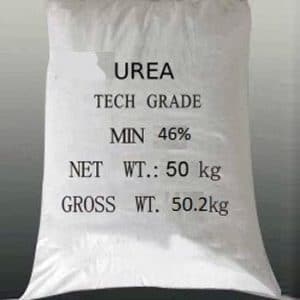
Fertilizer Urea N 46% (prilled) 50kg bags (1,000 bags) Kenya
Nitrogenous fertilizer, readily soluble in water, alcohols and liquid ammonia. It takes the form of white prilled, grain class 1-3.15 mm, with at least 90% of the prills covered with anti-caking agents. Prilled urea 46% is hygroscopic. Bulk density: 0.70-0.78 kg/dm3.
Prilled urea 46% includes 46% of nitrogen (N) in ureic form, easily absorbed by the leaves of plants. Absorption through the root system is slower, because urea in soil is converted (as a result of enzymatic hydrolysis) into the ammonia form available for plants, and then into nitrate form.
Reviews
There are no reviews yet.